
How Wood Laminate Finishes Are Redefining Modern Interior Surfaces
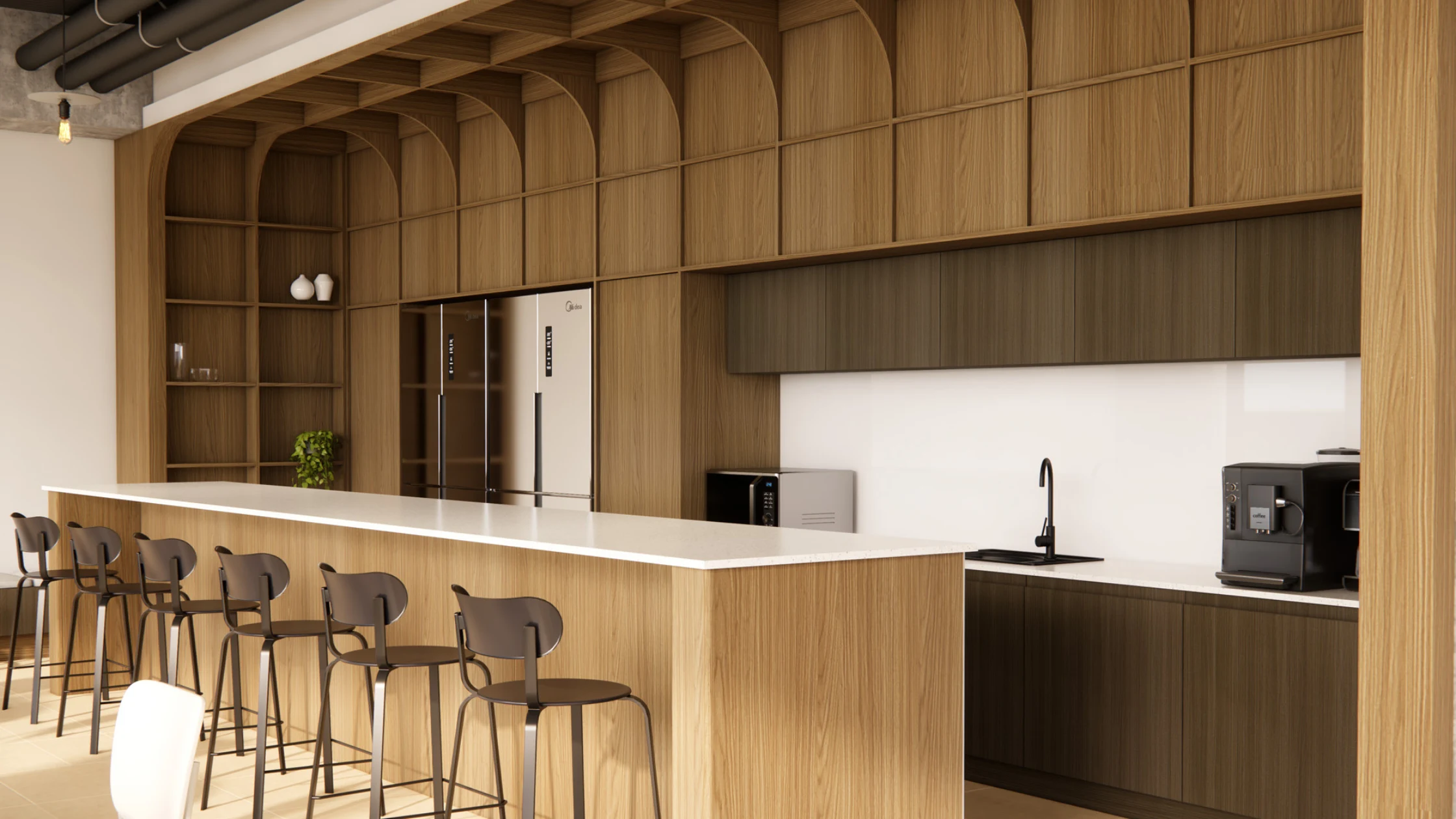
How Wood Laminate Finishes Are Redefining Modern Interior Surfaces
Wood has long been among the most important materials used in the field of interior design. Its organic warmth, natural texture and visual depth allow spaces to be inviting as well as balanced and timeless. From residential interiors to commercial and hospitality environments, wood-inspired surfaces remain a central part of contemporary architectural design. But modern interiors require more than just aesthetic appeal: spaces must endure constant use, sustain the quality of finishes over time, and accommodate seamless manufacturing processes. This shift in expectations is why engineered wood laminate finishes have become the preferred choice for interior designers, architects and furniture manufacturers.
The Growing Demand for Wood Laminate Finishes
Contemporary interior design is increasingly focused on creating interiors that feel cosy, minimalist, clean and visually connected. This is why wood-inspired materials are used extensively across modular kitchens, wardrobes, living room furniture, wall panelling, hospitality interiors, commercial workspaces and retail environments.
While natural wood is authentic and beautiful, it frequently has long-term maintenance issues like sensitivity to moisture, expansion, cracking, colour inconsistency and surface wear. This is why engineered wood laminate finishes are an efficient and secure solution: designers achieve the aesthetic sophistication of wood with improved durability, easier maintenance and greater fabrication flexibility.
Why Texture Matters in Wood Laminate Finishes
One of the most significant advances in laminate technology is the ability to create authentic wood textures with greater tactile and visual clarity. Early laminate surfaces typically appeared flat and artificial. Modern surface engineering allows wood laminate finishes to deliver:
At DesignTree, the ONEDTL Thermolaminate collections are designed to strike an ideal balance between the natural beauty of timber and modern minimalist architecture. Soft woodgrains, matte textured finishes and refined surface continuity make interiors feel calmer, warmer and more elegant without overpowering the overall design.
Surface Performance Beyond Aesthetics
In modern furniture and architectural production, surfaces are evaluated not just for looks but for long-term performance. Traditional laminate systems still face issues such as chipped corners, brown edges exposing the core, edge-band mismatch, permanent scratches and surface fading over time.
ONEDTL is engineered differently with advanced AVC Copolymer technology, offering:
This allows fabricators and designers to create cleaner furniture designs and more sophisticated architectural details while reducing the visual distractions associated with traditional laminates.
How Wood Laminate Finishes Influence Interior Atmosphere
Material selection plays a significant role in shaping the feel of a space. The reflectivity, texture, tone and consistency of a surface affect warmth, spatial depth, visual calmness, luxury perception and how people connect within the space. Soft matte wood laminates typically create rooms that feel warm and cosy, while more textured grains give a rich and sophisticated character.
In modern interior design, surfaces are no longer just a background material — they are an active design element that determines the mood and perception of an area. It is why architects now evaluate not just colour palettes but grain direction, texture consistency and how the finish performs in both natural and artificial light.
The Role of Wood Laminate Finishes in Contemporary Fabrication
Modern furniture manufacturing requires materials that support precision fabrication, seamless edges, cleaner joints, long-term durability and efficient installation. Conventional laminates usually require additional edge banding and struggle with intricate bends and fine details. ONEDTL Thermolaminate is designed to enhance fabrication flexibility while preserving surface continuity across modern furniture applications — flexible bends, enhanced edge detail and controlled manufacturing precision allow OEMs and fabricators to achieve better quality and more precise outcomes.
Sustainability and Surface Innovation
As sustainability becomes essential in interior and architectural design, surfaces are being assessed for their environmental performance and indoor air quality. DesignTree ONEDTL Thermolaminate supports this shift with a VOC-free composition, E0 emission standards, Green Pro certification and long-term material durability. For architects and designers working on eco-friendly or wellness-oriented projects, modern wood laminate finishes are a more environmentally responsible option than traditional decorative surfaces.
The Future of Wood Laminate Finishes
Future interior surface trends are heading towards materials that blend design aesthetics, material engineering, surface durability, sustainability and seamless detailing. Modern wood laminate finishes are no longer just decorative materials — they are becoming engineered surface systems developed for the evolving requirements of architecture, fabrication and contemporary living. Through advanced thermolaminate technology, seamless edge performance, refined textures and engineered surface innovation, DesignTree ONEDTL Thermolaminate represents this next generation of architectural surface design.